
Big Yellow Taxi
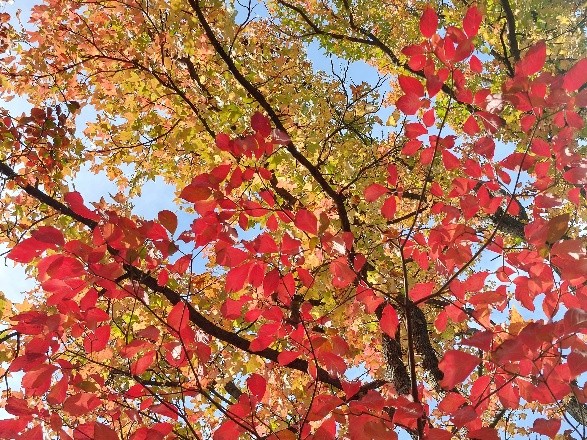
In her song Big Yellow Taxi, Joni Mitchell sings, “They took all the trees, put ’em in a tree museum. And they charged the people a dollar and a half just to see ’em”. I sometimes feel that my neighborhood may be heading down this path. When we first moved here, 45 years ago, it was not unusual for the young homeowners to plant trees on their property to add to the few mature trees in the neighborhood. As time passed, neighbors have come and gone. However, the trees have mostly just gone. I have seen only a few new trees come to the neighborhood over the last 25 years, while many more have been removed. Hurricane Elvis and adverse weather have caused several trees to be removed, but more typically new homeowners simply did not want to maintain their trees and disliked having to deal with leaves in the fall. Apparently, they preferred to pay to remove the tree rather than deal with it. Others simply liked the look of an edge to edge lawn. Sadly, a few of my neighbors seemed to fear their trees, afraid that the tree or a limb would fall, damaging their home and possibly causing them injury.
According to a 2012 study by the University of Memphis, Shelby County was estimated to have a tree cover of about 36.8%. In 2025, Smart City Memphis reported that the Memphis tree cover was 35.8%, up from 34% in 2020. While some neighborhoods gained canopy, others lost. There was over a 2% decline in several of our older neighborhoods: Downtown, North Memphis, University of Memphis, Berclair, and East Memphis. Cordova/Shelby Farms showed the largest gain with an increase in tree canopy of 1.1%. In 2025, Shelby County commissioned a new countywide Tree Canopy Assessment, so we will have additional information to work with soon.
I often hear that Memphis has a substantial tree canopy, which is true when compared to the U.S. as a whole. However, the Southeastern states set the bar much higher. When compared to other cities in the South, we are slightly above average but lag Atlanta, which has a canopy of 48%, as reported by the non-profit Trees Atlanta. We are on par with Nashville’s 35.4% cover. However, if you take in all of Davidson County, Nashville claims a 56% tree cover.
Why should we even care? If you stand in the sun and then move to the shade during the summer in Memphis, it feels about 10 degrees cooler. The air temperature does not change, but it is much more comfortable. The greater the tree canopy, the more comfortable our city will be. Their shade also helps keep our homes cooler, reducing our cooling costs.
Trees also benefit our environment in other ways. They absorb and slow rainwater, lessening runoff by keeping the water where it is needed. Trees help to cleanse our air by capturing particulate matter and absorbing some gaseous pollutants. They also sequester carbon, helping to reduce Carbon Dioxide levels. Trees are clearly beneficial, and I haven’t even mentioned their aesthetic value, support to wildlife, and the value it adds to real estate sale prices.
To increase our tree canopy, we need to maintain and preserve our mature trees in addition to planting new trees. A 70-year-old oak lost to redevelopment cannot meaningfully be replaced by putting three 2-inch-caliper trees around the new parking lot. Tree canopy is much easier to preserve than to recreate. A goal of 45% tree canopy in every Memphis neighborhood is an achievable goal, and it can start with you planting a tree in your yard. Or even easier, simply leave a volunteer tree or two to mature, assuming they are in a suitable spot. Care for them as they mature, and you will never have to worry about them causing any problems for you or your property.
November is a great time for planting a tree in Memphis. Our soil stays warm enough for roots to grow throughout the winter, giving your tree a head start to develop a strong root structure. If you are going to buy a tree, choose it with intention and plant it in the right spot. Make sure the tree can handle both our cold hardiness and heat zone. Know its mature height and width and allow for 15 feet clearance from all utility lines at maturity. If you love the looks of a tree known to be messy, like river birch, magnolia, or sweet gum, to name a few, plant them where their detritus can fall into garden beds as a natural mulch so you will not need to constantly clean up after them.
The planting method I follow is first to dig the hole just as deep as the plant is in the container and three times as wide in a saucer shape, roughing up the edges with the shovel. I use the same soil I removed to refill the hole. I don’t amend the soil, but if you feel you must, limit amendments to 10% and mix them thoroughly with the soil you removed. I always remove the soil around the roots of the tree to check that there are no roots growing in a circular manner as they followed the walls of the container. These are called girdling roots, which over time get larger and tighten around the tree and other roots, cutting off the movement of water and nutrients, essentially strangling the tree, causing decline and early death. If you see any, prune them if they can not be adjusted to radiate away from the trunk. I then replace the soil around the roots and gently firm the soil, making sure the tree base is at grade or slightly above grade. I water heavily, so soil settles around the roots and there are no air pockets. There is no need to stake the tree in most cases, but when a large tree is planted, it could be top heavy having been dug with a relatively small root system that is insufficient to stabilize the tree. I then lay 2-4 inches of mulch over the disturbed soil surface, making sure the mulch does not touch the trunk of the tree.
When I plant a tree, I plant as small a specimen as I can find. It is a lot easier than planting a large tree, but more importantly, it will more quickly get established in the garden since the roots and branches are balanced. Larger trees tend to be shy on roots, so it will need more attention and care for a couple of years until the roots are able to support the canopy. During this time your tree will show little top growth. You will always have more success with trees surviving when choosing a smaller size.
As development continues in Shelby County, let’s be mindful of our canopy and do what we can to make up for all the new parking lots and roads being built. More trees in your yard will let you enjoy them without having to go to the tree museum.
