
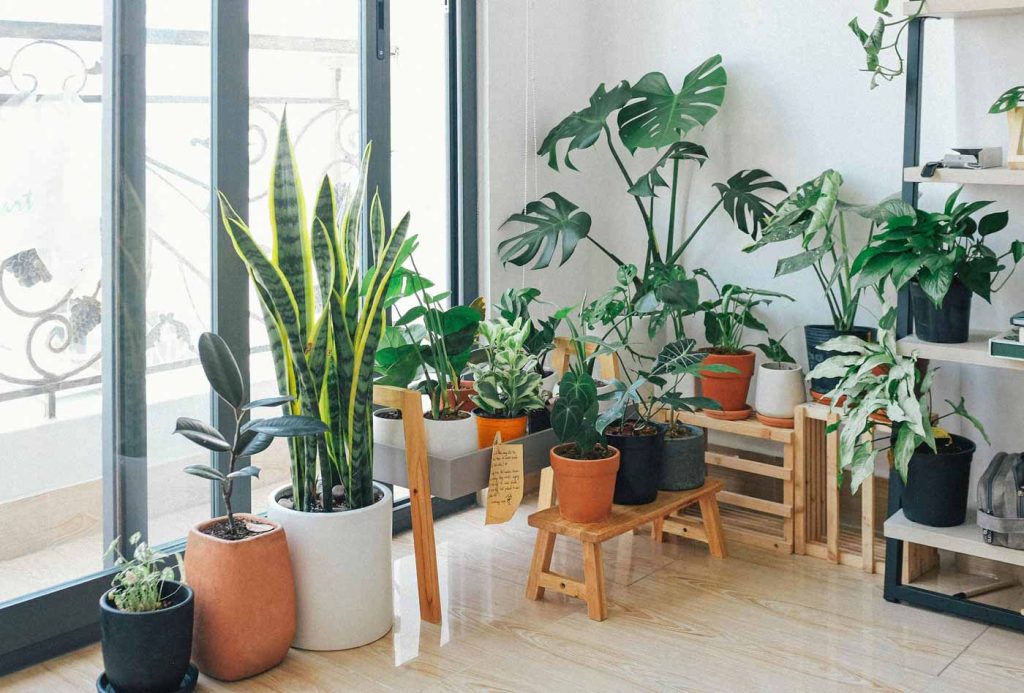
It is officially autumn. The weather is beginning to cool, the days are getting noticeably shorter, and this is a sign that it is time to begin preparing to bring in our tender tropical plants indoors to overwinter. A couple of weeks before nighttime temperatures dip to 50ᴼ F, it is time to move our potted plants onto a covered porch or under a tree so that they begin to adjust to lower light conditions. In Memphis, our first frost date is Oct 25, so we want to start this process by early October.
To make sure you do not bring in any pests that may be hitchhiking on your plants, check the leaves and stems for the usual suspects like aphids, spider mites, mealybugs, and scale. A sharp spray of water can be effective in removing them. For pests living in the soil, dunk the entire pot into water deep enough to cover the soil line for 15 minutes to encourage pests in the soil to flee.
To complete the clean-up, remove leaf litter on the soil surface then cut off any damaged leaves or stems on the plant. Resist doing any additional pruning until spring. Clean the leaves, both top and bottom, to remove summer dust and pollen that diminish light reaching the leaves. Simply wipe the leaf with a soft cloth moistened with water. Finally, scrub the outside of your pots to remove any dirt or mold.
Despite your best efforts, it is not uncommon to find that you end up with fungus gnats. Fungus gnats are a common pest among houseplants. These small flies lay their eggs on the soil of our container plants. Their larvae feed on fungi and organic matter in our potting soil. Over time, their numbers grow, and you notice the adults hovering above the soil surface when you water your houseplants. The adults do no harm but are an annoyance. The larvae seldom damage our houseplants but can be an issue for seedlings or young plants in greenhouses where a heavy infestation could result in their feeding on root hairs or tunneling into the roots themselves.
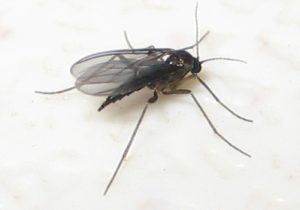 The fungus gnat is black, 1/8 inch long, with clear wings. Do not confuse them with fruit flies because the old vinegar trap trick for fruit flies will not work for the fungus gnat. Fungus gnat larvae usually are in the top 2 to 3 inches of the growing medium. It takes 3-4 weeks for this pest to grow from an egg to larvae to adult gnat. The adult lives about 10 days but will lay up to 200 additional eggs during their short life.
The best control method is to eliminate the conditions they need to reproduce, which is as simple as allowing the top inch or two of growing medium to dry before watering. In addition, you can cover the soil with a ½ inch layer of coarse sand or fine gravel, which will help keep the surface drier and make the soil less attractive for egg-laying. While you are waiting for the soil to dry, you can consider using yellow sticky traps placed near a plant’s leaves to capture any adult gnats. You can buy these traps at your local hardware or garden store. The sticky traps will reduce the numbers in the next generation, but you will not catch all the adults before they lay their eggs.
If you are open to chemical control, the systemic insecticide imidacloprid will kill fungus gnat larvae when applied to the growing medium. This active ingredient is available in a number of houseplant insecticide formulations, often as granules. To kill adults, you need a different insecticide such as bifenthrin or permethrin. These adult gnat insecticides should not be sprayed indoors. Take your plant outside to spray them and wait several minutes before returning them indoors.
If you purchase new plants for your indoor collection, consider isolating them for a couple of weeks in a location away from your other houseplants. Monitor them for fungus gnats and other pests by inspecting the foliage. You can use the yellow sticky cards to help you monitor the new plants.
Should you find that fungus gnats persist despite these interventions, it is possible that they may be coming from another source. Check areas of the home that may remain damp due to leaks such as the roof, water heater, washing machine, or water lines. A common source for fungus gnats is drains in the kitchen or bathroom. To check the drain, cover it with screen or cheesecloth and check the next day for evidence of the flies.
If you enjoy having indoor plants, you might consider leaving them indoors year-round. By doing this, you will minimize their exposure to pests, and it will save yourself the work of moving them twice each year. You will also save your plants from the stress they endure twice a year due to the drastic changes in their environment, and they remain inside for your pleasure throughout the year.
