
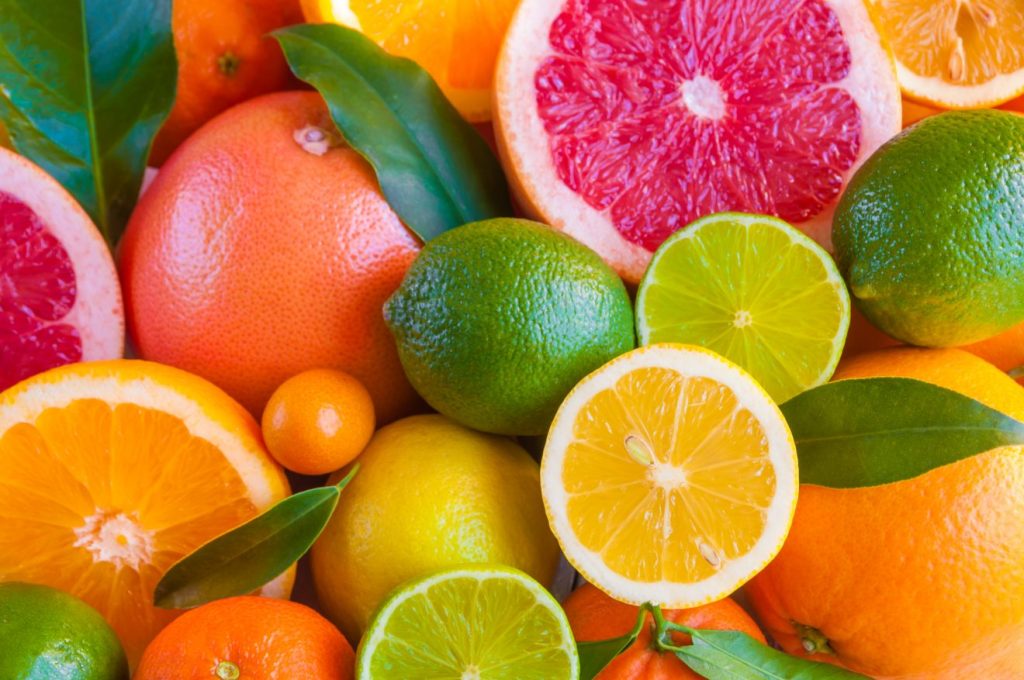
Winter days often bring cold, gloomy and dreary weather. Even when the sun shines brilliantly against a clear blue sky, it rarely manages to warm the air around us. During these days, the sight of brightly colored citrus fruits at the grocery store becomes especially inviting, offering a splash of color to lift the spirits and brighten a drab palate. Whether its luscious navel or red blood oranges, mandarin oranges, tangelos, sunny lemons, tangy orange grapefruit, or dark green limes, colorful and juicy, citrus fruits are celebrated for their refreshing flavor and tangy taste, making them a delightful addition to winter meals. As an excellent source of citric acid and vitamin C, it is necessary for good health to include these in our daily diet to help keep our immune system strong.
GROWING YOUR OWN CITRUS
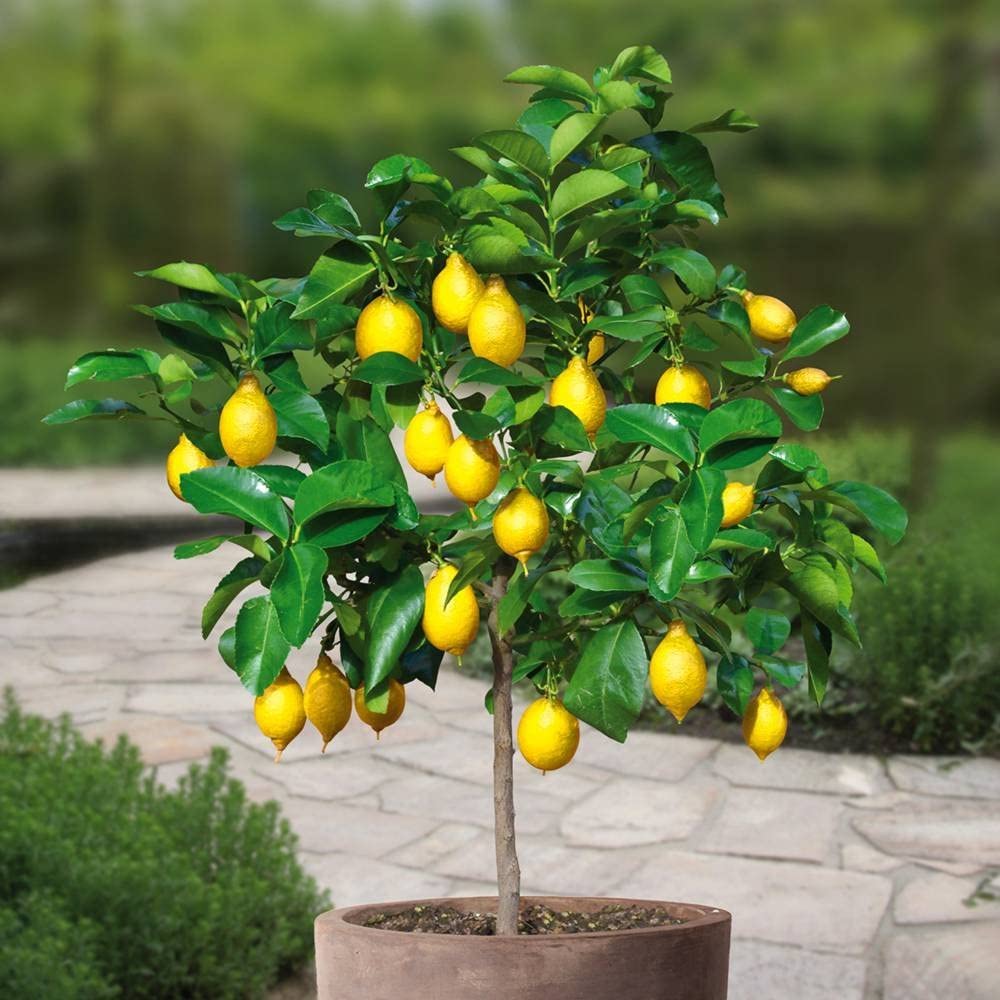
Growing your own citrus trees in pots offers year-round access to fresh, organic, high-vitamin fruit. Potted citrus allows for easy care in small spaces. You can grow dwarf, Meyer lemon, or Key lime trees on balconies or patios, in sunny locations. Potted trees can also be moved indoors during freezing temperatures or harsh weather, making them suitable for all climates. You have total control over the soil, nutrients, and pesticide use, ensuring your lemons and limes are organic.
Container grown citrus trees love lots of sun and moist, well-draining soil. Choose a location with at least eight hours of direct sun. Plant your citrus tree in the spring in a neutral pH, moistened potting medium. Try to avoid using regular garden or topsoil, as this can compact quickly and lead to poor drainage; constricting root growth and reducing air circulation around them – two essential components of healthy citrus tree development. Once you have selected your potting soil mix, add organic matter such as aged compost, peat moss, coir (coconut husk), vermiculite or perlite (a lightweight volcanic glass) into your container mixture. This will help ensure proper drainage while also allowing oxygen exchange.
FERTILIZING
Dark green leaves on a citrus tree indicate an adequate availability of nutrients. If your trees’ leaves are off-color, use a balanced, water-soluble fertilizer according to package directions. Healthy trees can be maintained with a slow-release granular fertilizer every two months. Citrus trees require nitrogen (N) phosphorus (P) and potassium (K). These three elements are best delivered through an all-purpose fertilizer or balanced fertilizer such as those intended for citrus trees. Citrus trees prefer a slightly acidic soil environment with a pH ranging from 6 – 6.5 within their root zone so monitoring your soils’ acidity levels regularly is especially important. Never underestimate the value of a good soil test to determine the amount and type of fertilizer needed for good fruit production. Fertilize your potted trees every 4-6 weeks during the active growing season, which typically starts in late winter or early spring and ends in late summer or early fall.
WATERING
Water is of primary importance to your potted lime tree and is gauged by the size of the tree and temperatures. Water your citrus trees when the top inch or two of soil is dry to the touch. Make sure to thoroughly moisten the soil and allow extra water to drain away. Remember to reduce watering prior to winter to avoid the possibility of stimulating growth that may become damaged in cooler temperatures.
PESTS AND DISEASE
Watch for insects and pests. Citrus trees are typical targets for a variety of pests, including whiteflies, rust mites, mealybugs, aphids, and scale. Signs of pest issues will typically appear on the undersides of leaves or the fruit. Insecticidal soap will control aphids and horticultural oil will take care of the scale, both of which support the growth of sooty mold. When growing citrus trees in containers, keep in mind that the tree is under more stress than that grown in an orchard or garden, so constant maintenance is the key to a healthy plant and gorgeous fruit.
PRUNING
Pruning encourages the plant to develop strong healthy branches and foliage and helps to maintain the shape and size of the tree. Use sharp pruning shears or scissors to cut back any dead or damaged branches and make sure to use clean tools to reduce risk of disease or infection. Remove any small or weak or dead branches that are crowding the tree’s interior. Remove any branches that are competing for space or crossing each other. Finally, trim back the remaining branches to promote new growth. Aim for a balanced and open canopy that allows sunlight to reach all parts of the tree. Ideally, prune your citrus tree during the dormant period, which is typically in late winter or early spring before new growth emerges.
HARVESTING
Myer lemons generally start to produce fruit after about four years. The lemons generally ripen during winter months, with the main harvest season spanning from November through March or April. It takes roughly 6 to 9 months or sometimes longer, for the fruit to fully mature from blossom to harvest. Lemons may be harvested when they are light yellow in color and have a fresh lemony smell. You can also tell if a lemon is ripe by tasting it. Taste them at various stages to determine your favorite. The fruit should feel firm to the touch but with a slight “give.” Meyer lemons do not continue to ripen after being picked, so leave the fruit on the tree until fully ripe.
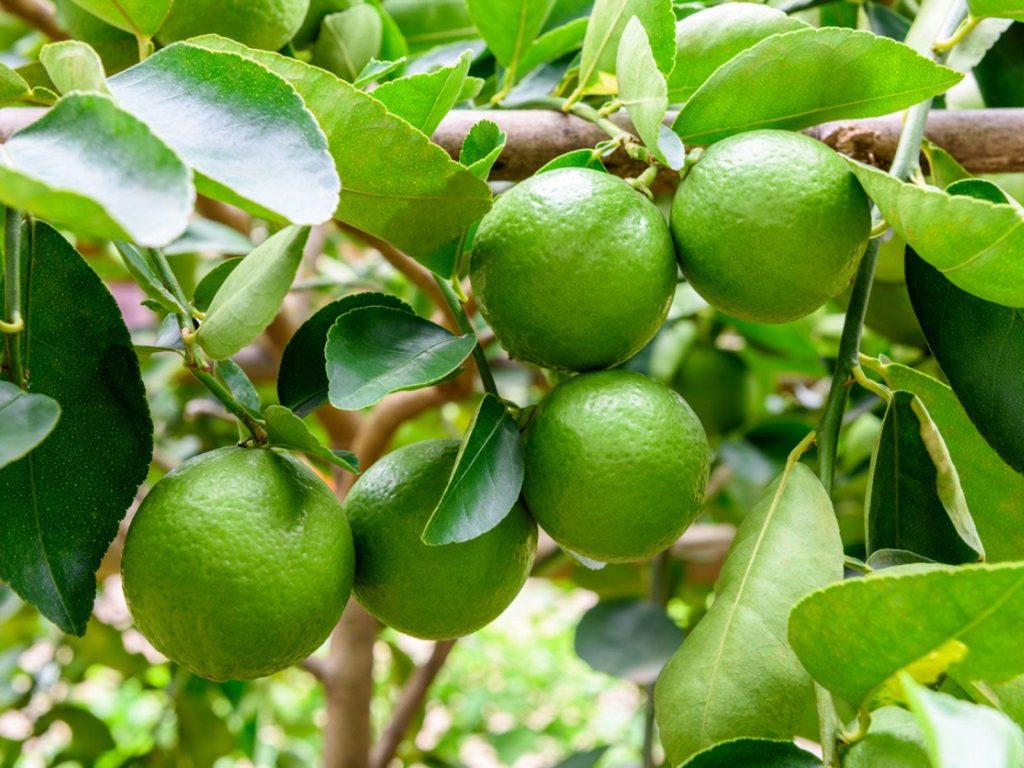
Lime trees typically begin to produce fruit 3 to 5 years after planting. Limes are typically harvested when they reach their full size and have developed their characteristic color. The specific color may vary depending on the lime variety, but they generally exhibit a vibrant green or yellow hue when ripe. They should also feel firm yet have a slightly soft “give” to the touch. Ripe limes often have a fragrant, zesty limey aroma. Taste your limes for tartness. Overly tart limes may require additional time to mature fully.
Again, be sure to utilize clean and sharp pruning shears or scissors for harvesting. This helps prevent damage to the tree and ensures clean cuts. You will also want protective gear like gloves because lime trees do have thorns! Avoid pulling or twisting the limes off the tree, as this can damage the branches. Limes do not all ripen simultaneously, so it is best to harvest them in multiple stages. Pick the ripest limes first and leave the slightly underripe ones on the tree to mature further. When harvesting limes, leave a short stem attached to the fruit. This helps extend the fruit’s shelf life and reduces the risk of mold or disease.
THE SWEET REWARDS
With care and patience, you will soon enjoy your own homegrown citrus. The vibrant colors and tangy flavors are worth the effort. Be patient! Each tree is unique, so adjust as needed. Embrace the learning process and savor your success. Margaritas anyone!
