Neem Oil in the Garden
Information adapted from the National Pesticide Information Center
Author; Tatyana Jankov
April 2026
Neem oil has become a staple in organic gardening circles, and for good reason. Used correctly,
it can be a valuable management tool against certain insects and fungal issues. Used carelessly, it
can disappoint. Understanding how it works makes all the difference.
What Is Neem Oil?
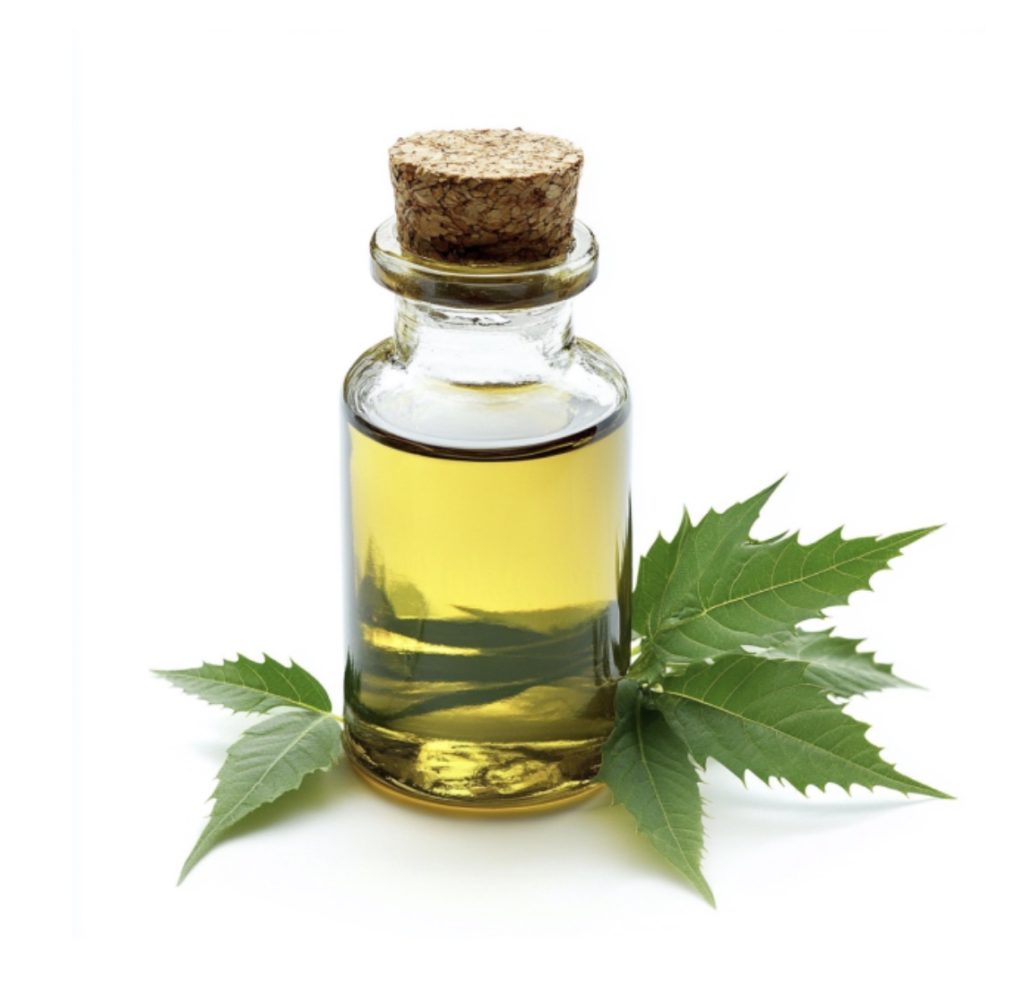
Neem oil is derived from the seeds of the neem tree, Azadirachta indica, a tropical evergreen
native to India and hardy in USDA Zones 10–12. The oil is yellow to brown, with a distinctly
bitter taste and a strong garlic–sulfur scent.
Its key active compound is azadirachtin, which must be extracted by cold pressing to remain
effective.
Neem oil is considered non-toxic to humans, birds, mammals, and plants when used as directed.
It is moderately toxic to fish. For people, it may irritate the eyes, skin, and stomach. Current
studies show no evidence that it increases cancer risk or damages genetic material.
Store neem oil in a cool, dark location—not in a hot garage. Once mixed with water, azadirachtin
breaks down quickly and should be used the same day.
How Long Does It Last?
• In soil: 4 to 40 days
• In water: 40 minutes to 4 days
• On plant leaves: 1 to 3 days
Neem oil may be applied as a foliar spray or as a soil drench.
Spray in the early morning or evening only, to avoid leaf burn. Always test on a small area first.
Avoid spraying seedlings, newly transplanted plants, or plants under stress.
How Neem Oil Works
Azadirachtin is technically not a conventional pesticide. Instead, it acts primarily as an insect
growth regulator and feeding deterrent.It works by:
• Reducing insect feeding and acting as a repellent
• Disrupting insect hormone systems, interfering with growth and egg-laying
• Hindering insects’ ability to feed effectively
• Reducing feeding in some nematodes
Neem oil is most effective against soft-bodied and immature insects. It does not significantly
affect most adult insects.
When sprayed directly, the oil can also suffocate soft-bodied insects by blocking their breathing
openings. Because neem oil interferes with feeding and development rather than causing rapid death,
results are not immediate. Insects often weaken and decline rather than die outright.
Reapplication is usually necessary.
Proper identification of the pest is essential. Many beneficial insects resemble pests in their
immature stages. Spray only when you are certain.
Pests It May Help Manage
Neem products containing azadirachtin may help control:
• Aphids
• Beetle larvae
• Caterpillars
• Lace bugs
• Leafhoppers
• Leaf miners
• Mealybugs
• Thrips
• Whiteflies
Thorough coverage of the entire plant—and often surrounding plants—is necessary for
effectiveness.
Neem Oil and Fungal Diseases
Azadirachtin is not a fungicide in the traditional sense, but neem oil can help manage certain
fungal problems such as powdery mildew and black spot.
Neem oil does not cure fungal infections. Once a fungus has colonized plant tissue, it cannot be
reversed—only managed. Prevention is far more effective than treatment.
Neem oil works by coating fungal spores and preventing them from germinating and penetrating
leaf tissue. This requires complete coverage of the plant and surrounding soil. Timely,
preventative applications are key.
How to Use Neem Oil
• Read and follow the product label carefully.
• Mix only what you will use that day.
• Pre-mix neem oil with a small amount of water and a mild liquid soap (as an emulsifier)
before adding it to the sprayer.
• Test on a single leaf before widespread application.
• Wash the sprayer thoroughly after use.
Leftover solution may be used as a soil drench. Neem oil has slight systemic activity against
certain pests, including leaf miners and some nematodes.
Example: Squash Bugs
Squash bugs are a significant pest in vegetable gardens and can transmit disease.
Neem oil will not harm adult squash bugs. Adults overwinter in garden debris and lay clusters of
brown eggs on the undersides of leaves as soon as temperatures rise. The eggs hatch in about two
weeks.
The immature stages (nymphs) last approximately five weeks. During this period, neem oil can
be effective. Once the insects reach adulthood, neem oil has little impact.
In the southern United States, there are typically two generations of squash bugs per season.
Early detection and treatment during the nymph stage are critical for control.
Neem oil is not a miracle cure, but it is a useful tool when used with timing, precision, and
realistic expectations. In gardening—as in most things—understanding the biology is half the
battle.