
“How do birds keep warm, Grandmom?” Good question! As my granddaughter and I were watching the birds on a cold and gloomy December morning, she peppered me with other questions about the birds. What do they eat? Where do they live? What are their names? Maybe you, too, have begun watching the birds more closely in this wintry weather and have considered some of these same questions.
What birds overwinter in the midsouth?
These are just a few.
- Northern Cardinal: Bright and easily recognizable, they remain active throughout winter. Cardinals do not migrate or molt during winter, so they remain one of the brightest backyard birds even during the cold months. These birds are popular backyard visitors during early mornings and late evenings. They enjoy large seeds, cracked corn, berries, and small chunks of suet. While peak singing is during the spring, males sing every season. They are attracted to a variety of feeders, but one of the best ways to attract them is by using a platform feeder with safflower, black oil sunflower seeds, and milo.
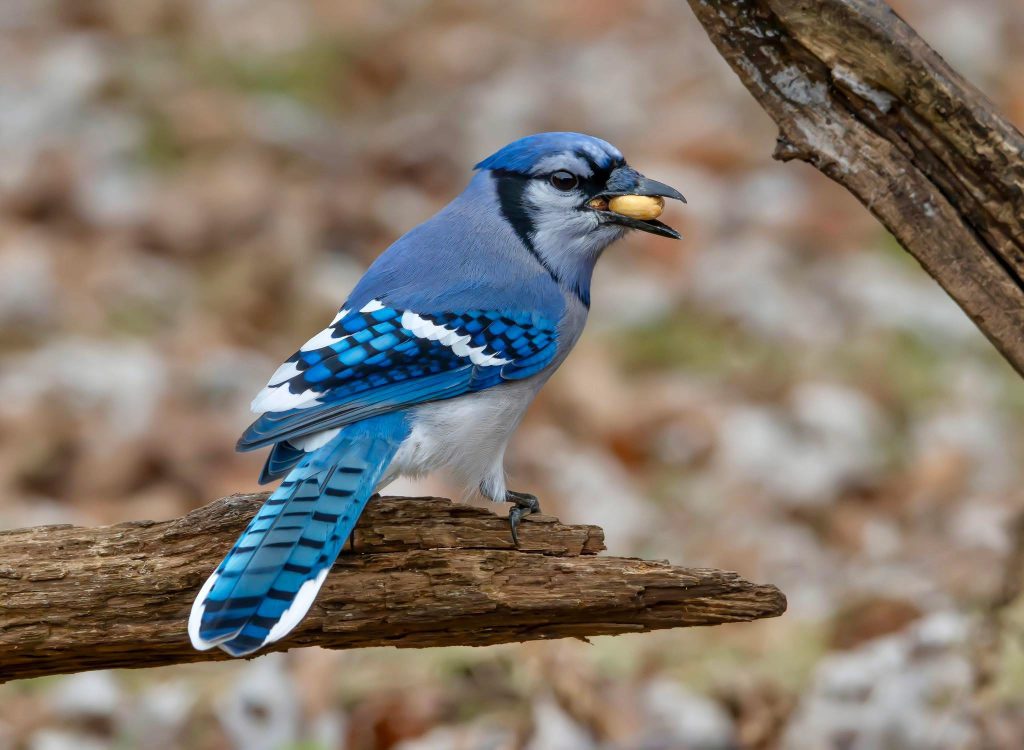
- Blue Jay: The Blue Jay is another colorful bird that offers a pop of color during the drab of winter. While Blue Jays are known to migrate, many stay present in their environments during winter. They seek out dense vegetation at night to keep warm and protect themselves from the elements. In winter, blue jays shift to eating fruits, nuts, and will often feed on suet, sunflower seeds, and peanuts. The Blue Jay is also known to scavenge and will often steal food from other birds or eat carrion.
- Black-capped Chickadee: Small but hardy, they can maintain a high body temperature even in cold weather. While they only weigh half an ounce, they can maintain a body temperature of one hundred degrees during the dead of winter. They slip into a state of controlled hypothermia when the temperatures drop and emerge during the mornings to rewarm themselves. During the winter, these birds eat insects, seeds, berries, and small fruits.
- Mourning Doves: Mourning Doves are common at backyard feeders year-round, and most remain within their range throughout the winter. Its range extends further south into the Caribbean, Central America, and northern South America. The Mourning Dove can be found in a variety of habitats, including open woodlands, farmlands, grasslands, deserts, and urban areas. Seeds make up a sizable portion of the Mourning Dove’s diet. At the feeder, you can put out peanuts, millet, sunflower seeds, nyger seeds, and cracked corn. During the winter months, they may search for food on the ground, especially when snow is present.
- White-Breasted Nuthatch: These birds migrate based on food availability, often seen in winter. The White-Breasted Nuthatch survives winter by staying in mixed flocks and storing away food. These tiny birds sing loud songs even during the coldest months. Seeds make up 60% of their winter diet, and they also like to eat suet and peanut butter mixtures at birdfeeders.
- Tufted Titmouse: The charming Tufted Titmouse with its gray crest survives harsh winters by hoarding food in the fall and relying on bird feeders during winter. They thoroughly enjoy sunflower seeds, but will also consume peanuts, suet, and other seeds. During the day, they will probe nearby trees for frozen insects and eggs.
- American Robin: American Robins are one of the most familiar winter birds in Tennessee. It is a beautiful thrush that features a rusty red breast and a dark head and back. While some migrate, many robins can be spotted in the Midsouth during winter, often foraging for berries. These birds puff out their many layers of feathers to keep warm. The American Robin is a ground forager, meaning it spends its time searching for food on the ground. It is omnivorous and will eat a variety of foods, including earthworms, insects, fruits, and berries.
- Downy Woodpecker: Winter is one of the best times to see the Downy Woodpecker close-up. These birds move away from their normal spot to forage for seeds and insects, and with fewer leaves, it is easier to see them. These birds prefer to live in deciduous and coniferous forests and are commonly found in parks and gardens. These woodpeckers will eat suet, shelled peanuts, millet, and sunflower seeds at bird feeders, as well as a variety of insects, grubs, berries, and nuts.
- Cooper’s Hawk: The Cooper’s hawk is a medium-sized bird of prey that feasts on smaller birds and small mammals, like squirrels, mice, and bats. They like to hunt for winter birds near backyard feeders. They live year-round throughout most of their range, but those in far northern areas will move south in the winter.
- Eastern Bluebird: The Eastern Bluebird is a small thrush found throughout much of North America, ranging from Southern Canada to the Gulf Coast of Mexico. They prefer open spaces such as open fields, meadows, and pastures, and are often found along forest edges, hedgerows, and other semi-open areas. Eastern bluebirds love dogwood berries and other wild fruits. During the winter months, they will also eat suet and mealworms provided by bird feeders. They will also feed on the ground, often in areas of low vegetation, where they can easily find their prey. During the breeding season, they will also feed on a variety of small fruits, including elderberries, blueberries, and cherries.
- Dark-eyed Junco: The Dark-Eyed Junco is one of the most adorable winter birds, and you can see them across much of the United States during the cold months. The Dark-eyed Junco is a winter visitor to Tennessee and will typically stay around until late February or early March. They like to roost in evergreens, tall grasses, and brush piles. These birds rely heavily on weed and grass seeds during winter. Looking to attract a Dark-eyed Junco to your backyard? Try using a platform feeder with hulled sunflower seed, white proso millet, and cracked corn. These ingredients create a fragrant and nutritious diet that will lure these hardy birds in droves.
- American Crow: The American Crow is a common bird in Tennessee. They are most commonly found near bodies of water, such as creeks and rivers. They also like to live near areas with lots of trees. American Crows are omnivorous birds, and their diet consists of a variety of foods, including insects, fruits, nuts, seeds, and carrion. They will also scavenge for food, such as garbage or leftovers from human meals.
How do birds stay warm? All cold-climate birds pack on body weight in the late summer and fall in anticipation of the long, cold winter, but feathers also play a significant role. All birds stay warm by trapping pockets of air around their bodies. The secret to maintaining these layers of air lies in having clean, dry, and flexible feathers.
Just like people, birds shiver to stay warm. Birds have much higher metabolic rates and burn more energy to stay warm than we do. Black-capped chickadees weigh less than half an ounce and can maintain a body temperature of one hundred degrees Fahrenheit – even when the air is 0 degrees! They do this by having great insulation, being very active, and remembering where they store their food. A steady supply of food is essential because chickadees eat more than 35 percent of their weight every day.
Like people who may cuddle for warmth, small birds crowd together in shrubs, vines, and evergreen trees to share body heat. They can also slow down their metabolic rate to conserve energy. Cavity nesters like nuthatches, titmice, and downy woodpeckers use tree cavities and nest boxes to stay warm. Cavities and boxes provide protection from the weather and help birds hide from predators.
What about food and shelter? This is the time of year when bird feeders are really appreciated. They will need to be refilled every day. It is important for the feeders to be close to shelter where small birds can quickly find refuge from predators; however, not so close that a cat can hide within the thick branches and then jump out to grab the unsuspecting bird.
Keep in mind that different bird species have different feeding requirements. Some prefer a hanging feeder while others require a tray feeder. The base of a tray feeder should be screened to allow water to pass through so the seed does not get mildewed and rot.
Overwintering birds primarily eat high-energy foods like peanuts, black oil sunflower seeds, millet, and safflower. One of the most important things is providing water. Birds need clean, drinkable water, which is often difficult to find in icy weather. Many birds consume berries from shrubs and trees. Acorns and other nuts provide essential fats. Some birds forage for insects that may be available in warmer spells. Suet is a high-fat food crucial for energy during cold months. Some birds may rely on food they cached during warmer seasons. Providing feeders with sunflower seeds, Niger (Thistle), cracked corn, nuts, and fruit can help support them through winter.
Most overwintering songbirds spend much of their time foraging through the leaf litter on the floor of your garden, looking for the tiny insects and insect eggs that will sustain them throughout the long, cold. If you painstakingly clean every leaf off your garden in the fall, you are destroying the birds’ main food source.
Most native perennials provide seed heads that birds eat throughout the winter. Rudbeckia, coneflowers, Salvia, Coreopsis, sunflowers, and most daisy-like flowers are some of their favorites. Also, asters, ironweed, goldenrod, mountain mint, and many grasses provide needed food for the birds. Sure, you may want to deadhead some of these for prolonged blooms throughout the summer, but starting in late summer, let the seed heads stand.
Native hollies, Viburnum, beautyberry, spicebush, chokecherry, and Virginia creeper do their part by providing berries for hungry birds throughout the winter. In shopping for some of these shrubs, always look for the natives. Most have non-native cousins that the birds ignore. Some trees that provide fruit that birds love include American crabapples, serviceberry, mulberry, eastern red cedar, and dogwood. If you enjoy seeing songbirds in your garden, make it a late New Year’s Resolution to add some of these plants to your property in the spring.
Providing shelter for overwintering birds in the midsouth is essential for their survival during harsh winter months. Brush piles of branches and twigs provide cover and nesting spots. Thickets of dense shrubs or native plants can serve as natural windbreaks and roosting sites. Use birdhouses designed for specific species, ensuring they are insulated and protected from the elements. Position them in sheltered areas away from strong winds.
Maintain a wildlife-friendly yard by avoiding using pesticides and keeping the area natural to attract insects, which are food sources for many birds. If you can, leave some areas of your yard unmanicured to provide natural cover. These measures can significantly enhance the chances of survival for birds during winter in the Mid-South region.
Take time to watch and enjoy your birds. Put up a feeder or two, and maybe a birdhouse. Notice and listen to their songs after you have filled the feeders. Leave the garden a little messy until next spring. These colorful visitors can lift your spirits and brighten your mood on the most drab and gloomy days. They can also help make memories for you and your grandchildren.
