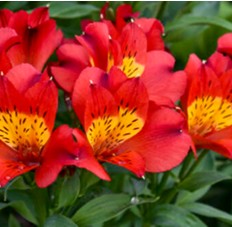
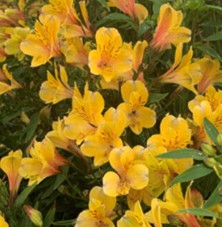
Alstroemeria spp. (Peruvian lily, Lily of the Incas)

Share this plant


Alstroemeria (Peruvian lily) is a clump-forming, tuberous-rooted perennial known for its long-lasting, lily-like flowers in bright colors (often with speckles or streaks). In zone 8a it can be a reliable garden performer with well-drained soil, producing multiple stems for weeks of bloom from late spring through summer (often repeating into fall). It’s prized as a cut flower and is generally easy to grow once established.

Common Name Peruvian lily, Lily of the Incas
Scientific Name Alstroemeria spp.
Native Range (area) South America (major diversity centers in Chile/southern Argentina and eastern Brazil; widely South American overall)
Varieties

These are commonly sold as hardy garden alstroemerias and are labeled for zone 8 (often colder as well):

  • ‘Inca Ice’ (a.k.a. Alstroemeria ‘Koice’ INCA ICE™) – often listed Zones 8–10 (some sources say 7–10); apricot/cream tones

  • ‘Summer Heat’ – listed Zones 7–9; tomato-red flowers

  • ‘Golden Tiara’ – listed Zones 7–9; rich gold/yellow tones

  • ‘Coral Chaos’ – listed Zones 6–9; salmon-pink tones

  • ‘Indian Summer’ (‘Tesronto’) – often listed around Zone 7 (with recommendations to mulch when establishing; does very well in warmer zones like 8a)

Tip for zone 8a: when shopping, prioritize plants labeled “hardy alstroemeria” (not florist-only greenhouse types), and use mulch the first winter while they establish.

Physical Description
  • Growth habit: Clump-forming perennial growing from tuberous roots; sends up multiple stems from a tuber cluster

  • Size: Commonly ~1–3+ ft tall depending on cultivar (dwarfs shorter; tall border types taller)

  • Flowers: Lily-like, often speckled/striped, typically 6 tepals; flowers commonly ~1–3 inches and showy in clusters

  • Foliage: Narrow/lance-shaped leaves; many garden types are herbaceous (die back) or semi-evergreen depending on climate and breeding

Benefits
  • Outstanding cut flower (long vase life; widely used in bouquets/arrangements)

  • Pollinator-friendly (commonly visited by butterflies/other pollinators; depends on garden conditions and cultivar)

  • Long bloom season in gardens when well-watered and well-sited (many cultivars flower for weeks and can continue into late season)
 
Requirements Sunlight: Full sun to light/partial shade; in hot summers, afternoon shade can help performance Soil Type: Fertile, well-drained, organically rich/loose soil; avoid standing water (root rot risk) Moisture: Even moisture is best—especially during active growth/flowering—while still maintaining drainage
Care
  • Watering: Keep evenly moist during growth; don’t let them sit soggy (drainage matters most).

  • Pruning / “Deadheading”: Remove spent flower stems at the base to encourage more stems/flowers (many growers remove the whole stem rather than just the flower head).

  • Mulching (Zone 8a): Usually no heavy winter protection needed once established, but mulch the first winter after planting for best survival/establishment.

  • Staking: Taller types may need support in windier sites.

  • Propagation: Divide mature clumps (commonly done to propagate and refresh plants).

  • Handling caution: Sap can cause skin/eye irritation in some people—gloves are a good idea if you’re sensitive.

Colors: , , , , , , ,
Bloom Times: ,
Sunlight:
Soil Type:
Lifespan: ,
Foliage Type:
Flower Type:
USDA Hardiness Zone: , , , , , , ,
Scroll to Top

Stay in the Know

Get Gardening in the Mid-South, plus important updates from the Memphis Area Master Gardeners—including upcoming events, programs, and application announcements.

* indicates required