Sunflower (Helianthus)

Share this plant

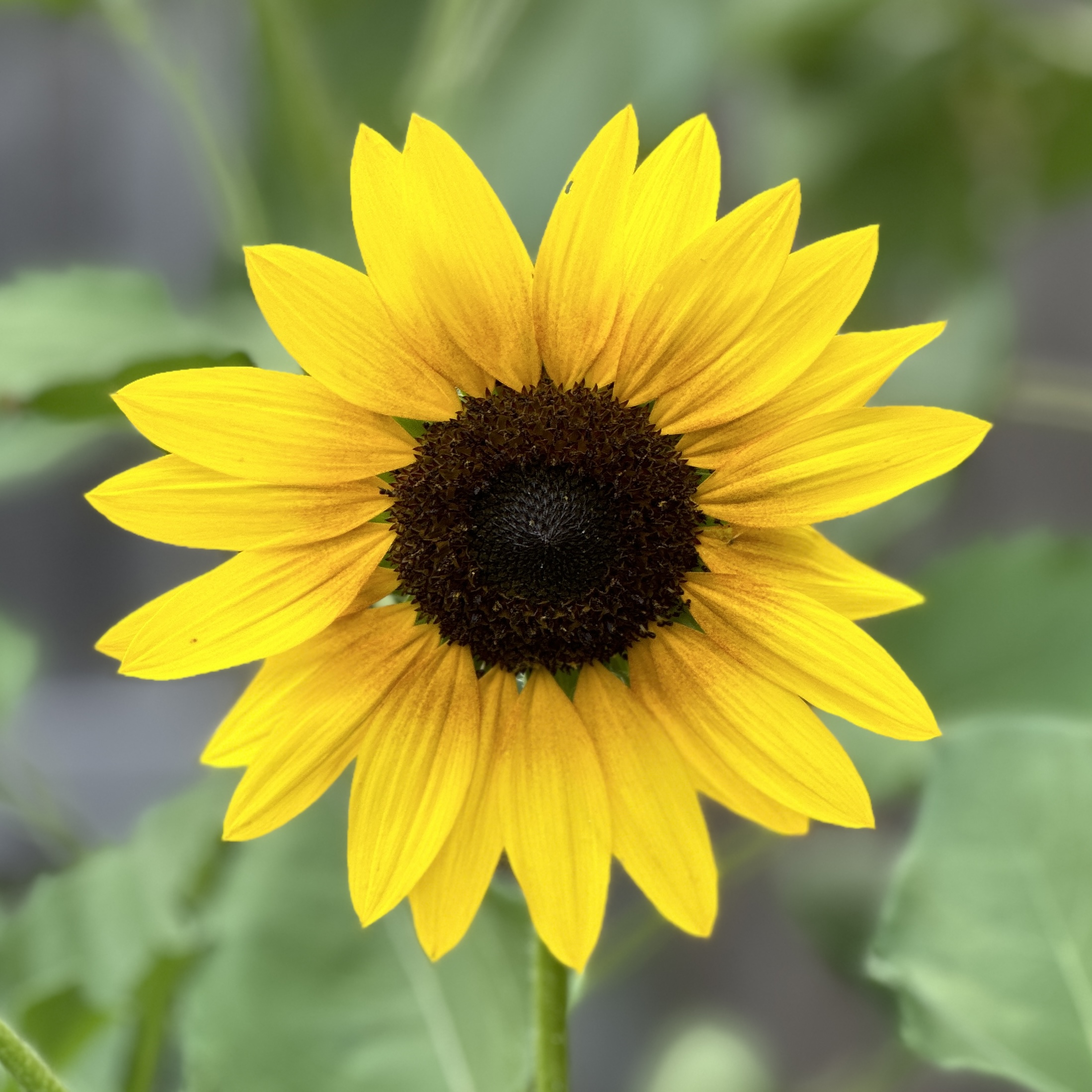
Sunflowers (Helianthus annuus) are iconic and vibrant annual plants native to North America, particularly the central and western regions of the United States. These plants are renowned for their large, striking flower heads that resemble the sun, with bright yellow ray florets encircling a central disk that can be dark brown, black, or even green. The flower heads, which can reach up to 12 inches in diameter, sit atop sturdy, erect stems that vary in height from 3 to 15 feet, depending on the variety. Sunflowers thrive in open, sunny areas, such as prairies and meadows, and have been cultivated for centuries by Native Americans for their seeds, which were used for food, oil, and dye.

Common Name Sunflower
Scientific Name Helianthus annuus
Native Range (area) Sunflowers (Helianthus annuus) are native to North America, particularly the central and western regions of the United States. They have been cultivated by Native Americans for centuries for their seeds, which were used for food, oil, and dye, as well as for their ornamental value. The native range includes:
  • The Great Plains, stretching from Canada through the United States to northern Mexico.
  • They thrive in open areas such as prairies, meadows, and along roadsides.
Varieties Zone 8 offers a warm climate with a long growing season, making it ideal for growing a variety of sunflower cultivars. Here are some recommended cultivars that thrive particularly well in Zone 8:
  1. Helianthus annuus 'Mammoth':
    • Description: Known for its towering height and large flower heads, often reaching up to 12 inches in diameter.
    • Height: 10-12 feet tall.
    • Features: Excellent for creating a dramatic backdrop in gardens and for producing edible seeds.
  2. Helianthus annuus 'Autumn Beauty':
    • Description: Produces a mix of warm-colored blooms in shades of yellow, orange, and red.
    • Height: 5-7 feet tall.
    • Features: Multiple flower heads per plant, great for adding color diversity to gardens and floral arrangements.
  3. Helianthus annuus 'Teddy Bear':
    • Description: Compact variety with fluffy, double blooms resembling pom-poms.
    • Height: 2-3 feet tall.
    • Features: Ideal for smaller gardens, containers, and borders.
  4. Helianthus annuus 'Lemon Queen':
    • Description: Soft lemon-yellow petals with a dark center.
    • Height: 5-7 feet tall.
    • Features: Attracts pollinators and makes a striking addition to any garden.
  5. Helianthus annuus 'Velvet Queen':
    • Description: Deep red to burgundy petals with a dark center.
    • Height: 5-6 feet tall.
    • Features: Adds a bold splash of color and is excellent for cutting gardens.
  6. Helianthus annuus 'Sunrich Lemon':
    • Description: Bright yellow petals with a dark brown center, bred for its uniform growth and long vase life.
    • Height: 5-6 feet tall.
    • Features: Popular in the floral industry for its reliability and beauty.
  7. Helianthus annuus 'Soraya':
    • Description: Orange petals with a dark brown center, known for its branching habit and multiple blooms.
    • Height: 6-7 feet tall.
    • Features: First sunflower to win an All-America Selections (AAS) award, excellent for both gardens and cut flowers.
  8. Helianthus annuus 'Italian White':
    • Description: Creamy white petals with a dark center.
    • Height: 4-6 feet tall.
    • Features: Unique color, perfect for adding a touch of elegance to gardens and bouquets.
Physical Description Sunflowers typically have a single, sturdy stem that can grow between 3 to 10 feet tall, although some varieties can reach heights of 15 feet or more. The flower heads are large, often measuring 6 to 12 inches in diameter, with a central disk surrounded by bright yellow ray florets. The central disk can be composed of hundreds to thousands of small florets that mature into seeds.
Benefits
  • Attractive to pollinators such as bees and butterflies.
  • Seeds can be harvested for food, oil production, and bird feed.
  • Enhances the visual appeal of gardens and landscapes.
  • Helps in phytoremediation by absorbing contaminants from the soil.
Requirements
  • Plant in spring after the last frost date.
  • Full sun exposure.
  • Well-drained, fertile soil.
  • Adequate spacing to accommodate their large size.
Care
  • Water deeply but infrequently to encourage deep root growth.
  • Fertilize with a balanced fertilizer if soil fertility is low.
  • Stake taller varieties to prevent them from falling over in strong winds.
  • Monitor for pests like aphids and caterpillars, and treat as necessary.
Colors: , ,
Bloom Times: , ,
Sunlight:
Soil Type: , , ,
Lifespan:
Foliage Type:
Flower Type:
USDA Hardiness Zone: , , , , , , , , , , , , , , , , , , ,
Scroll to Top

Stay in the Know

Get Gardening in the Mid-South, plus important updates from the Memphis Area Master Gardeners—including upcoming events, programs, and application announcements.

* indicates required