

I grew up on the shores of Lake Erie in Ohio. I can recall stunning floral displays of geraniums at homes and businesses where they were planted every year. Even if you were not much of a gardener you could succeed with a geranium. They were easy care plants that only required a bit of deadheading to look great all summer. They were the plants that I used my first year in Memphis to brighten up my front entrance. But I was disappointed in the results. They survived, just barely, and they looked puny all season. I popped them in the ground again the next year with similar results. I then gave up on them thinking that they just didn’t like our heat and humidity.
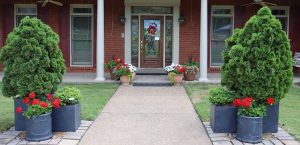 I would see geraniums in the garden centers each year but I never really noticed them in anyone’s landscape and I figured the garden centers were just having some fun at the expense of all the Yankees that were moving south. Then this year I saw beautiful pots of geraniums early in June on the Memphis Area Master Gardeners garden tour. They were gorgeous just like I remembered from by distant youth. I asked the garden host Linda Reyle about them and learned that they were her go to plant to brighten her entry and outdoor living areas at her home each year. They perform well for her all summer and she had been doing this for several years. She told me the variety and where she purchased hers. I bought three on my way home that day!
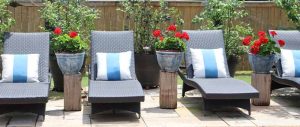 I am pleased to say that they have done beautifully for me as well. I did a little research and learned a lot about geraniums. The ones that I grew were zonal geraniums, a tender perennial that will not survive our winters. I believe the reason for my recent success is that I followed my mentor’s advice and planted them in pots. In Memphis we have a heavy clay soil that holds water and does not drain well. Geraniums require good soil drainage and good soil aeration. A high quality potting mix is the ideal solution.
Pot Tips
- Containers should have drain holes to allow excess water to drain out.
- Two (½ to ¾ inch) drainage holes for every square foot of bottom area
- Raise your containers above the surface on which they are sitting using pot feet, stones, bricks etc. to assure proper drainage especially on decks, hard surfaces and soil. Failure to do so will result in stains on your patio, rotting boards on your deck and roots that grow through the drain hole eventually plugging it on soil.
- Drain excess water from saucers under pots as this leads to root rot.
- Outdoor containers should be placed where water is easily accessible.
- For porous containers like terracotta, soak well in water before filling.
Virtually anything can be used as a container for your plants as long as it has adequate drainage. Of course some containers are more durable and attractive than others. You can even use recycled plastic containers or old tires which are easily beautified with a bit of spray paint. When choosing a container the rule is – Bigger is Better. Large containers do not need as frequent watering and hold more and larger plants giving you more room for design possibilities. Large planters are more stable as well so you can grow a tall bushy plant and it won’t tip over with the first brisk wind that comes along. Square pots and those that have straight sides also add to stability. If you want to grow succulents which are resistant to drought you can get by with shallow container like an old bird bath. Some things when choosing a pot are;
- Is the material porous? Porous material will lose water faster than non-porous materials. If you sink a porous pot into the ground and leave the porous rim showing, it will wick moisture out of the pot. Often the plants dry out and die. Water within the pores of pottery will expand if frozen, cracking the pot. If less porous material (like rock or cement) has a crack, then freezing and thawing of moisture will pry open the crack making it worse. TIP – Clay & concrete pots can be sealed
- Will the container be heavy and difficult to move? Place it on a dolly with casters if the plant needs to be rotated to take advantage of light or moved to a protected place during bad weather.
- Will it hang in the air?
- Will the materials, size or color result in fluctuating soil temperatures? In metal containers temperatures fluctuate more than non-metal ones. Dark colors absorb more heat than light-colored ones. Fluctuating temperatures are also a problem with small pots. These are bigger problems in sun than in shade.
- Will the material rot over time?
- How much will it cost?
There are many considerations when choosing a new container. Choose wisely based on your design aesthetic, budget and intended use.
A high quality potting soil will hold water but also drain well. Cheap soils with a lot of bark will drain well but not hold much water making it difficult to keep your plants hydrated. DO NOT add gravel, packing peanuts or plastic bottles in the bottom of the pot. It is a myth that these will improve drainage they do just the opposite and you lose all the advantages of having chosen a large pot. Fill the pot to just below the rim leaving ½ to 1 inch to hold water and keep it from just running off the top when watering. Don’t cheap out on the soil it is the least costly component in your display and is the primary factor determining if you will succeed or fail. I you want to make your own here is a recipe.
- 2 parts peat moss
- 2 parts compost or composted manure
- 1 part perlite
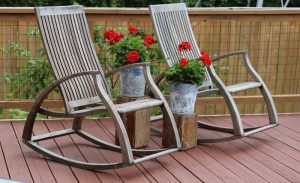 Before filling your pot place a layer of landscape fabric over the drainage hole to keep your potting mix from leaving the pot. If you are planting a mix of plants for your pot choose the plants that have the same light and watering requirements. This seems obvious but when you start to choose your plants you will be seduced by their flowers and forms and will quickly forget this essential rule.
Pots will raise up your gardening game and turn you into a gardening god! You can now garden in your driveway, apartment balcony and under trees without digging a hole! I am sharing this now because it is time for garden centers to clean out their summer displays to make room for their holiday seasonal merchandise. Now is when you can find bargains on pots to enhance your garden experience for next year. Remember Pots for the Win!
SEPTEMBER Gardening Activities
Plant: Daylilies, fall vegetable plants, wildflower seeds for next year. Purchase (but do not yet plant) spring blooming bulbs.
Lawn Care: Apply last fertilization to Bermuda and Zoysia lawns close to Labor Day. Apply preemergent if not reseeding. Sow fescue seeds.
Prune: Do not prune any shrubs or trees except to remove deadwood.
Other:
- Continue to water on weeks with less than 1 inch of rain.
- Continue to monitor for insect and fungal diseases and treat as needed.
- Harvest and dry herbs for winter use.
- Divide and repot any tropical plants you have outdoors to prepare them for their winter home. Hose off or wash plants with soapy water and inspect them for insects.
- If needed, treat them with an appropriate insecticide.
- Order or purchase bulbs now, when the best selections are available. Store them in a cool, dry location until you plant them.
- Apply a per-emergent weed control to garden beds to prevent winter weeds and you are not sowing seed.
- Don’t worry about fall webworm. They leaves will be dropping soon so they are not doing any significant harm to your trees. If you can reach the web with a pole you can open it up to let the birds get to the caterpillars for a feast.
