During this time of “safe at home” orders, gardening has seen a surge in popularity. I receive calls daily from folks who are new to gardening. On a recent trip to one of the garden centers to pick up a few items, I was amazed at the number of people in line with all kinds of plant material. One person in line told me that the time is right to pay closer attention to the garden. I agree! Springtime is an ideal time to spruce up your landscape. The garden centers and nurseries have a dazzling selection of plants available that would excite and motivate even the most seasoned of gardeners. Choosing the “right plant, right place” is essential for success.
Here are a few tips to help you select plants for your landscape:
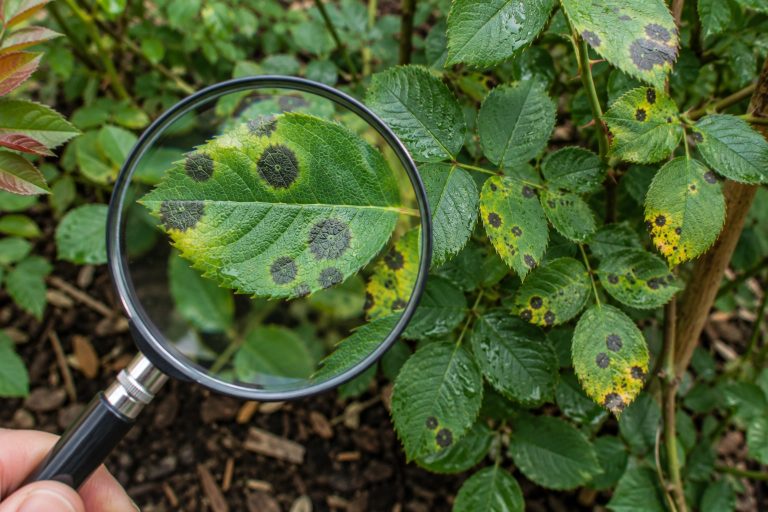
1. Avoid plants that are known to have major pest and disease problems. Look for pest resistant plants or resistant varieties. This will allow you to minimize pollinator exposure to
pesticides and maintain a healthy landscape.
2. Make sure you are selecting plants that are winter-hardy in the zone you live in. Go to the
USDA Plant Hardiness Zone Map for more information:
http://planthardiness.ars.usda.gov/PHZMWeb Here you will find an interactive map of plant hardiness zones for perennials, trees and shrubs.
3. Get your soil tested. This is so important! Your soil pH should fall in the range that’s
considered adequate for the perennials, trees, shrubs and vegetables you desire to grow. To
learn more about soil testing at UT Extension, go to
https://ag.tennessee.edu/spp/Pages/default.aspx.
4. Check light and moisture requirements. Some plants grow best in full sun while others grow best in shade. You should be able to find light and moisture requirements on the plant label. Place plants in an environment that will supply the appropriate amount of sunlight to thrive.
These are just a few tips to help you create and maintain a healthy landscape. Maintaining a healthy landscape will limit the amount of pesticides needed and the pollinators will thank you for it.
It has been fun talking to the many first time gardeners out there! They are seeking good educational tips and asking many questions. Who knows, maybe we will have more people interested in learning about plants by joining their local Tennessee Extension Master Gardener program!
Be safe and healthy where you are!