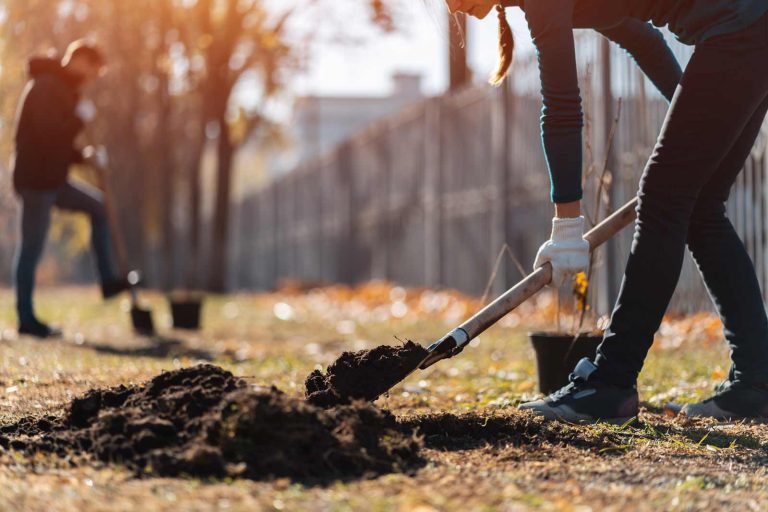

Last month, I visited the Dixon Gallery and Gardens to learn their methods for preparing beds for planting. I met with Dale Skaggs, Director of Horticulture and Kyle McLane, Grounds Manager to observe how they prepped the Dixon soils for plant materials. They both stressed that incorporating mycorrhizae into the soil is a key component to successful planting.
I have heard the term mycorrhizae many times over the years from gardening experts. What, precisely, is it? Mycorrhizae is a fungus that develops in the soil from spores that attach themselves to plant roots. This fungus plays an important role in plant nutrition.
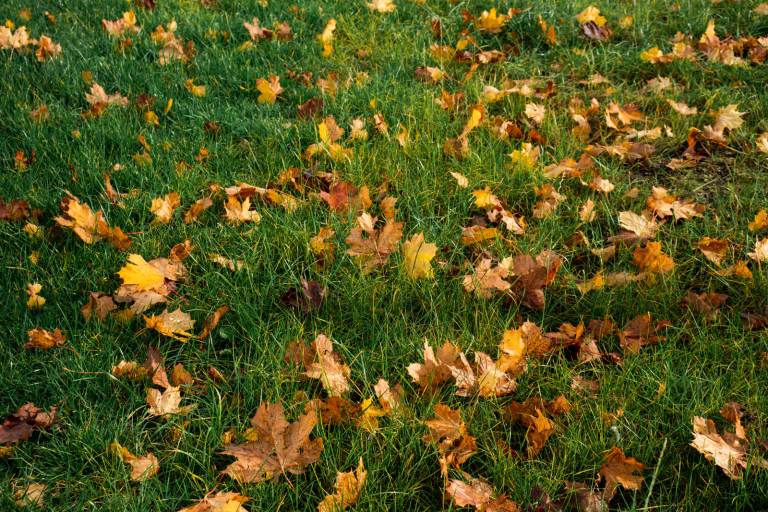
If you have healthy soils, they will contain a high number of mycorrhizal spores in the organic matter close to the soil surface. They are most frequently present in soils that contain an adequate supply of oxygen and water. The forest setting, for example, has an abundance of these spores under leaf litter.
This fungus forms a symbiotic relationship with plants. A sugar produced in plant leaves feed the fungus. Kyle mentioned two terms that are important in understanding how mycorrhizae work in the soil. The first term to know is ectomycorrhizae, which means the fungus colonize the surface of the roots. The second term is endomycorrhizae, which means the fungus can penetrate the roots, enhancing the plant’s ability to uptake minerals and water. This fungus also aids in protecting plants against pests and drought stress.
The key thing to remember is that healthy soils naturally contain native mycorrhizae. Thus, it is vital to focus on building healthy soils through sound horticulture practices to promote colonization by native mycorrhizae.
If you have any questions, please call me at 901-752-1207. We have Extension publications that will help you build healthy soils for those plants that you cannot wait to get in the ground!
Photo Credit: California State University-Chico