
“Think gardening has to wait for spring? Think again! Discover how a simple milk jug can become your secret winter greenhouse.”
Winter Sowing with Milk Jugs: An Easy Way to Jump-Start Your Garden
If the cold days of winter have you dreaming of spring flowers and fresh vegetables, you don’t have to wait until warm weather to get started. With a simple technique called winter sowing, you can use recycled milk jugs to start seeds outdoors—even while snow is still on the ground.
What is Winter Sowing?
Winter sowing is a method of starting seeds outdoors during the winter months using mini-greenhouses made from clear plastic containers, most commonly gallon milk jugs. The containers protect the seeds while allowing them to experience the natural cycles of cold and warmth, which encourages strong, hardy seedlings.
How to Get Started:
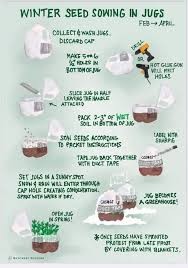
- Prepare the Jug – Rinse out a clean milk jug and cut it almost in half horizontally, leaving a small “hinge” attached near the handle. Remove the cap.
- Add Drainage – Poke several holes in the bottom for water drainage.
- Fill with Soil – Add 3–4 inches of potting soil, dampened but not soggy.
- Sow the Seeds – Sprinkle in your seeds according to packet instructions. Many perennials, hardy annuals, and vegetables like kale, spinach, and lettuce do especially well.
- Close and Secure – Tape the jug closed with duct tape, leaving the cap off for ventilation.
- Set Outside – Place the jug outside in a sunny, protected spot and let nature take it from there. Rain and snow will keep the soil moist, and the warming spring sun will trigger germination.
Why It Works:
The milk jug acts as a mini-greenhouse, warming during the day and cooling at night. Because the seeds sprout in their natural environment, the seedlings are tougher, less prone to transplant shock, and better adapted to your local climate.
Benefits of Winter Sowing:
- Recycles everyday containers into something useful.
- Saves space indoors—no grow lights or seed trays needed.
- Produces hardy seedlings that are already acclimated to the outdoors.
- Lets you get a head start on gardening while it’s still cold outside.
Tip: Be sure to label your jugs clearly with a waterproof marker or plant tag—you’ll be surprised how many sprouts look the same in spring!
By the time warmer days arrive, you’ll have strong, healthy seedlings ready to be transplanted straight into your garden. Winter sowing is low-cost, low-maintenance, and highly rewarding, a perfect project to carry gardeners through the winter months.
Tips for Success
- Don’t worry about cold snaps—seeds are naturally protected by soil and the jug’s enclosure.
- Sow more than you think you’ll need; germination rates can vary.
- Keep an eye on moisture in late winter and early spring. If the soil looks dry, water with a gentle sprinkle.
- Once seedlings are a few inches tall and the outdoor soil is workable, transplant them into your garden beds.
The Joy of Winter Sowing
There’s something magical about peeking into a milk jug in March or April and seeing the first brave green sprouts pushing through the soil.
Winter sowing is a reminder that gardening doesn’t have to stop when the temperatures drop. With just a jug, some soil, and a few seeds, you can keep your green thumb active year-round and watch spring arrive a little earlier—inside your very own homemade greenhouse.
